published on 2026-05-15 · by Fábio
Famous fadistas — the voices that defined fado
From Amália Rodrigues to Mariza, the fadistas who shaped fado. Who they were, what they changed, and how to hear today's singers live.
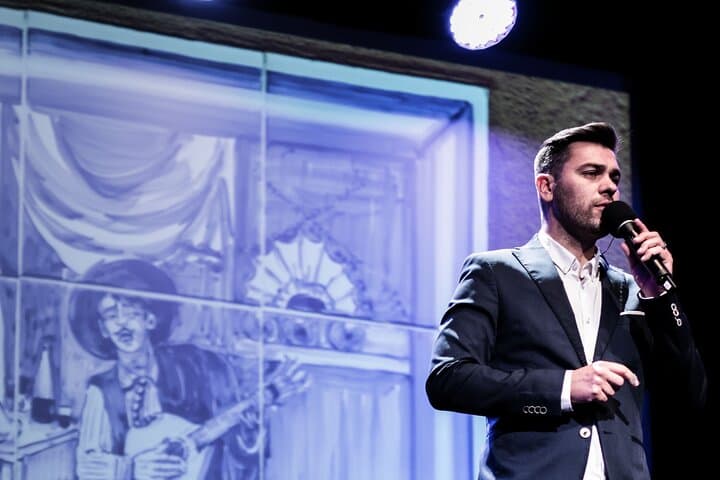
When fado comes up, certain names always appear. They're worth knowing — not to go and see them (most don't sing in fado houses), but to understand the tradition you hear when you go to one.
Amália Rodrigues — the Queen of Fado
Amália Rodrigues (1920–1999) is the biggest name. It was she who, in the 20th century, transformed fado from neighbourhood music into internationally recognised art. The voice, the repertoire, the presence — Amália took fado to concert halls around the world. When she died in 1999, Portugal declared national mourning. I tell the full story in the article on the history of fado.
Carlos do Carmo — the great male voice
Carlos do Carmo (1939–2021) was the defining male fadista of the second half of the 20th century. He modernised fado, recorded with contemporary poets and composers, and in 2014 received a Lifetime Achievement Latin Grammy — the first for fado.
The generation that renewed fado
From the 1990s, a new generation returned prestige and a young audience to fado:
- Mariza — perhaps today's most international fadista, with a global career.
- Camané — one of the most respected male voices, tied to the purest tradition.
- Ana Moura — crossed fado with other audiences and genres, without betraying it.
- Carminho — voice of the youngest generation, daughter of a fadista, much acclaimed.
How to hear fado live today
Here's the honest part: you won't hear Mariza or Camané in a fado house for visitors. They tour and play concert halls. What you hear in a fado house are professional fadistas — people who sing every night, who make a living from it, and who follow the same tradition. Many are excellent; some will be tomorrow's names.
To hear them, any of the experiences I recommend works. Fado no Chiado and Fado in Alfama put you a few metres from the fadistas. Fado with tour and dinner adds the historical context.
- Who is the most famous fadista?
Amália Rodrigues (1920–1999) is the biggest name in fado — it was she who took it to international recognition. Among the living, Mariza is today the most international fadista.
- Can I see famous fadistas at a fado house?
Usually not — names like Mariza or Camané tour and play concert halls. In the fado houses for visitors you hear professional fadistas who follow the same tradition, many of them excellent.
- Who was Carlos do Carmo?
Carlos do Carmo (1939–2021) was the great male voice of modern fado. In 2014 he received a Lifetime Achievement Latin Grammy, the first awarded to fado.
More guides
Ready to choose a night?
The experiences I recommend, with instant confirmation.
See the recommendationsSee also
The other experiences I recommend.
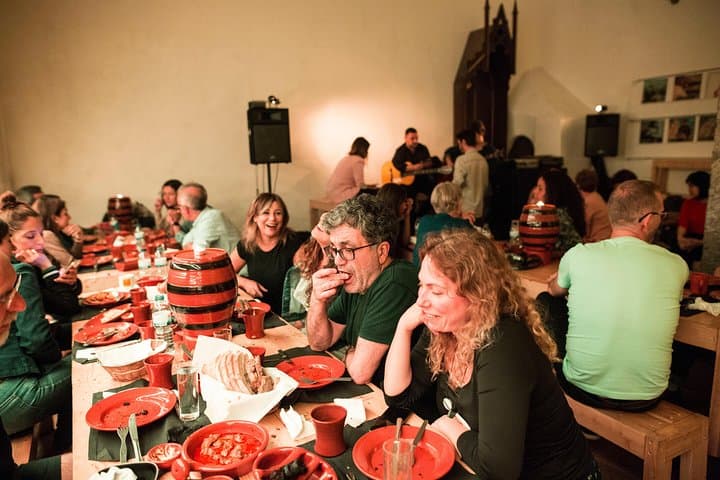
Fado with petiscos — a food tour in three stops
desde€94Three hours, three stops: a deli, a tavern and live fado. Ten petiscos, Portuguese wines and music — the night for those who eat with curiosity.
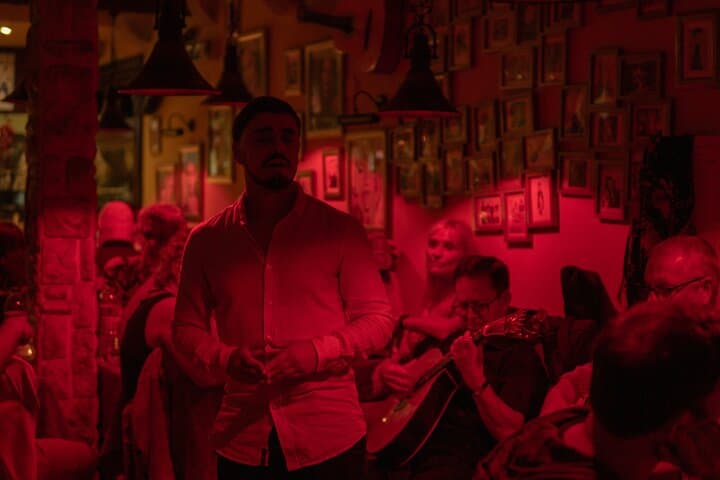
Fado with tour and dinner — a guided night through Mouraria and Alfama
desde€58Four hours: a walk through the streets where fado was born, dinner in a traditional house, and a live show. For those who arrive in Lisbon without context and want to leave with it.
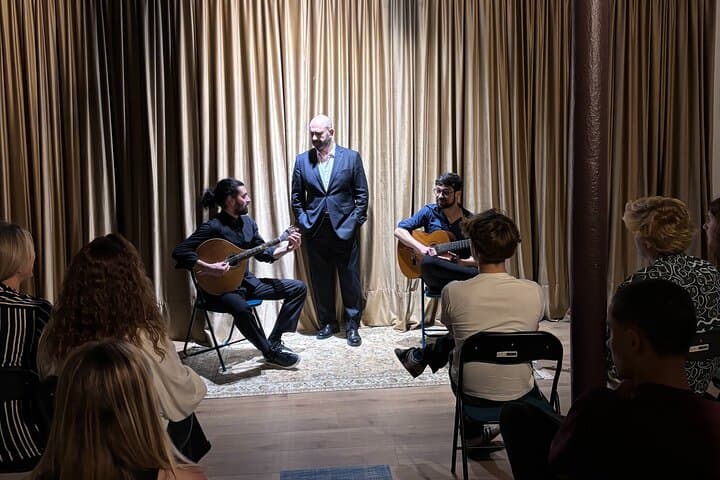
Fado in Alfama — a show in the neighbourhood, with port wine
desde€19An hour of fado in a small room, in the heart of Alfama. No dinner, with a glass of port. The most direct way to hear fado where it was born.